

The best time to water grass in Texas can make the difference between a thriving lawn and one struggling with disease, drought stress, and wasted water. Texas homeowners face unique challenges including extreme heat, periodic droughts, water restrictions, and high evaporation rates that demand strategic irrigation timing.
Proper watering schedules maximize water efficiency, promote deep root growth, and prevent common lawn diseases. This guide provides expert recommendations for optimal irrigation timing across Texas’s diverse climate zones.
Must Read: Best Grass Seed for Texas Lawns
Early Morning Watering: The Gold Standard
Early morning represents the optimal window for watering Texas lawns. This timing delivers maximum benefits while minimizing problems associated with other watering schedules.
Ideal Morning Watering Window:
- Start time: 4:00 AM to 6:00 AM
- Latest acceptable: 10:00 AM
- Peak efficiency: 5:00 AM to 8:00 AM
Morning watering allows grass blades to dry before evening, reducing disease risks significantly.
Why Morning Watering Works Best
Lower Wind Speeds: Early morning air remains calm reducing water drift and evaporation. Wind picks up during afternoon hours blowing water off target and wasting resources. Calm conditions ensure water reaches intended areas.
Reduced Evaporation: Cooler morning temperatures minimize evaporation losses. Mid-day watering can lose 30-50% of applied water to evaporation before reaching roots. Morning application maximizes water reaching soil.
Optimal Absorption: Grass plants actively grow during daylight hours. Morning watering provides moisture as plants begin daily photosynthesis and growth activities. Roots absorb water efficiently during active growth periods.
Disease Prevention: Blades dry completely before evening when fungal spores activate. Wet grass overnight creates perfect conditions for brown patch, dollar spot, and other fungal diseases. Morning watering eliminates this risk.
Preparation for Heat: Grass enters hot afternoons fully hydrated and better equipped to handle heat stress. Adequate soil moisture helps plants regulate temperature through transpiration. This preparation reduces drought damage.
Late Evening and Night Watering Risks
Many homeowners consider evening watering convenient after work hours. However, this timing creates significant problems for Texas lawns.
Evening Watering Dangers:
- Prolonged blade wetness through cool nights
- Ideal fungal disease development conditions
- Increased pest activity in moist environments
- Poor water absorption during plant dormancy
- Higher treatment costs for resulting problems
Disease Development Timeline:
Fungal spores germinate when grass blades remain wet 6-8 hours in temperatures above 60°F. Evening watering creates exactly these conditions across most Texas locations during growing season.
Common Diseases from Night Watering
Brown Patch Fungus: Circular brown patches appearing in St. Augustine and other grasses. Thrives in warm, humid conditions with prolonged moisture. Can devastate lawns within days during peak season.
Dollar Spot: Small silver-dollar sized dead spots throughout lawn. Particularly affects Bermuda grass during humid periods. Spreads rapidly when blades stay wet overnight.
Pythium Blight: Greasy-appearing patches that spread quickly in hot, humid weather. Most aggressive during Texas summers. Nearly impossible to control once established.
Gray Leaf Spot: Affects St. Augustine grass primarily in humid East Texas. Creates elongated lesions on grass blades. Explodes during rainy periods with evening watering.
Mid-Day Watering Inefficiency
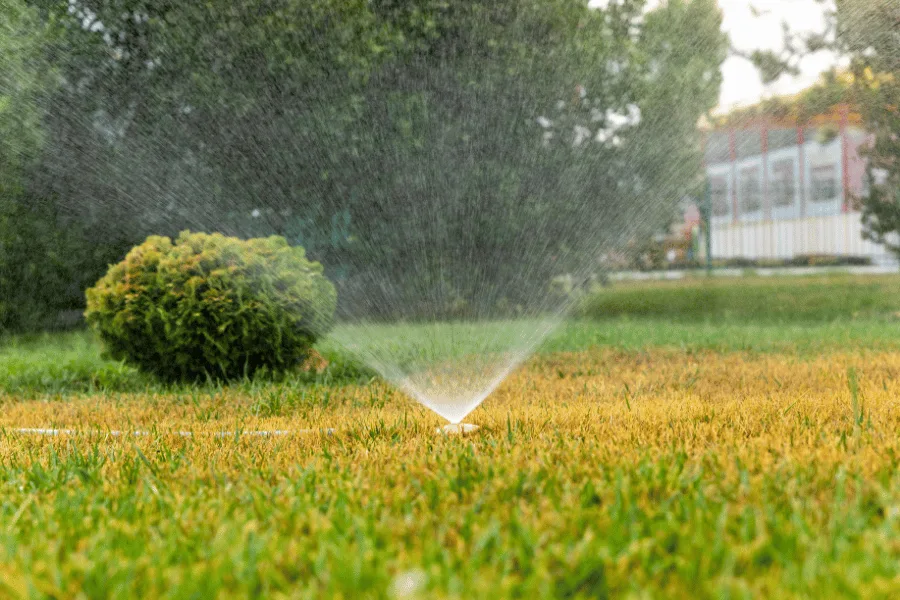
Afternoon watering from 11:00 AM to 4:00 PM wastes significant water through evaporation. Texas heat and wind during these hours create worst possible irrigation conditions.
Mid-Day Losses:
- Evaporation rates: 40-60% water lost before absorption
- Wind drift: Additional 10-20% blown off target
- Heat stress: Thermal shock from cold water on hot blades
- Efficiency rating: Only 30-50% effective compared to morning
Emergency Exception: Mid-day watering acceptable only for wilting grass showing immediate drought stress. Quick rescue watering prevents permanent damage but should not become routine practice.
Seasonal Timing Adjustments
The best time to water grass in Texas shifts slightly based on seasonal temperature patterns and grass growth cycles.
Spring Watering Schedule (March-May)
Optimal Times: 6:00 AM to 9:00 AM as temperatures warm
Frequency: 1-2 times weekly depending on rainfall
Spring Considerations:
- Cooler temperatures reduce evaporation concerns
- Natural rainfall often supplements irrigation
- Grass actively growing requires consistent moisture
- Later morning watering acceptable due to moderate temperatures
Spring’s moderate conditions allow more flexibility in watering windows. However, maintain early morning preference establishing good habits for summer.
Summer Watering Schedule (June-August)
Critical Times: 4:00 AM to 7:00 AM maximum efficiency
Frequency: 2-3 times weekly for most grasses
Summer Challenges:
- Extreme heat increases evaporation dramatically
- Earlier watering becomes increasingly important
- Grass under maximum stress requires deep watering
- Water restrictions often limit watering days
Summer demands strict adherence to early morning watering. Even small delays increase evaporation losses significantly during peak Texas heat.
Fall Watering Schedule (September-November)
Preferred Times: 5:00 AM to 9:00 AM as temperatures moderate
Frequency: Once weekly as growth slows
Fall Transitions:
- Cooling temperatures reduce water needs
- Grass preparing for dormancy requires less moisture
- Disease pressure decreases with cooler weather
- Extended watering window acceptable
Fall allows later morning watering as temperatures drop. Continue monitoring grass needs as warm-season varieties slow growth.
Winter Watering Schedule (December-February)
Timing: 8:00 AM to 10:00 AM on warmer days
Frequency: Every 2-3 weeks only if drought conditions exist
Winter Notes:
- Dormant grass needs minimal water
- Water only during extended dry periods
- Avoid watering before freezing nights
- Focus on preventing complete soil desiccation
Most Texas lawns need little to no winter irrigation. Water only when soil becomes completely dry and no rain forecast for extended periods.
Also Read: Best Time to Plant Grass Seed in Texas for a Thick, Healthy Lawn
Regional Considerations Across Texas
The best time to water grass in Texas varies slightly by region due to climate differences and local conditions.
East Texas (Houston-Beaumont-Tyler)
Optimal Window: 5:00 AM to 8:00 AM
Regional Factors:
- High humidity extends drying time
- Earlier watering more critical for disease prevention
- Frequent rainfall reduces irrigation needs
- Heavy soils retain moisture longer
East Texas humidity makes early watering essential. Afternoon blade drying time becomes critical in this high-moisture environment.
Central Texas (Austin-San Antonio-Waco)
Best Times: 5:00 AM to 9:00 AM
Area Considerations:
- Limestone soils drain quickly requiring more frequent watering
- Variable rainfall demands flexible irrigation
- Moderate humidity allows extended morning window
- Water restrictions common during drought
Central Texas rocky soils need more frequent, efficient watering. Morning timing maximizes limited water reaching grass roots.
North Texas (Dallas-Fort Worth-Amarillo)
Ideal Schedule: 6:00 AM to 9:00 AM
Climate Factors:
- Clay soils hold water longer
- Lower humidity than East Texas
- Cooler temperatures allow later morning watering
- Strong winds increase afternoon evaporation
North Texas clay soils absorb water slowly. Apply water at rates preventing runoff, taking advantage of morning’s calm conditions.
West Texas (El Paso-Midland-Lubbock)
Prime Window: 4:00 AM to 7:00 AM
Desert Conditions:
- Extreme evaporation rates demand earliest watering
- Low humidity accelerates water loss
- Strong winds common by mid-morning
- Alkaline soils affect water penetration
West Texas arid conditions require strictest adherence to early watering. Even slight delays result in significant evaporation losses.
South Texas (Corpus Christi-McAllen-Laredo)
Recommended Times: 5:00 AM to 8:00 AM
Coastal Factors:
- High humidity similar to East Texas
- Longest growing season requires year-round attention
- Salt accumulation near coast affects timing
- Mild winters allow consistent schedule
South Texas combines humidity with extended heat. Early watering prevents disease while supporting nearly year-round growth.
Watering Duration and Depth Guidelines
Timing alone does not ensure lawn health. Proper watering depth and duration work together with optimal timing creating ideal conditions.
Deep Watering Principles:
- Water penetrating 6-8 inches deep
- Promoting deep root development
- Reducing watering frequency needs
- Improving drought tolerance significantly
- Creating healthier, more resilient lawns
Application Rates by Grass Type:
| Grass Type | Weekly Water Needs | Per Application | Duration (Sprinkler) |
|---|---|---|---|
| Bermuda Grass | 1-1.5 inches | 0.5-0.75 inches | 30-45 minutes |
| Buffalo Grass | 0.5-1 inch | 0.5 inch | 20-30 minutes |
| St. Augustine | 1.5-2 inches | 0.75-1 inch | 45-60 minutes |
| Zoysia Grass | 1-1.5 inches | 0.5-0.75 inches | 30-45 minutes |
| Tall Fescue | 1.5-2 inches | 0.75-1 inch | 45-60 minutes |
Testing Application Rates:
Place empty tuna cans or rain gauges around yard during watering. Run system until cans collect desired amount. This determines exact runtime needed for your specific system.
Irrigation System Programming
Automated irrigation systems make maintaining optimal watering schedules effortless. Proper programming ensures consistent early morning application.
Timer Settings for Texas Lawns
Basic Programming:
- Start time: 5:00 AM (adjust seasonally if needed)
- Run days: Monday, Thursday (typical two-day schedule)
- Zone duration: Based on grass type and system output
- Rain delay: Enable automatic rainfall interruption
Advanced Features:
- Weather-based controllers adjusting for conditions
- Soil moisture sensors preventing overwatering
- Zone-specific programming for different grass areas
- Seasonal adjustment percentages reducing winter watering
Smart Controller Benefits:
Modern smart controllers connect to local weather stations automatically adjusting schedules. These systems prevent watering during rain, reduce application during cool periods, and increase during heat waves.
System Maintenance for Efficiency
Regular Checks:
- Inspect spray heads monthly for clogs or damage
- Adjust spray patterns preventing overspray on hardscapes
- Fix leaks immediately preventing water waste
- Winterize systems in freezing-prone North Texas areas
Efficient systems deliver water exactly where needed during optimal morning hours. Poor maintenance wastes water regardless of timing.
Manual Watering Best Practices
Homeowners without irrigation systems can still implement optimal watering timing using manual methods.
Effective Manual Watering:
- Set alarm for early morning watering sessions
- Use oscillating or impact sprinklers for coverage
- Water one section completely before moving sprinkler
- Track duration ensuring adequate depth
- Mark calendar maintaining consistent schedule
Manual Watering Advantages:
- Lower initial investment than installed systems
- Flexibility adjusting to specific lawn needs
- Ability to target problem areas precisely
- Immediate response to equipment issues
Time Management:
Manual watering requires 1-2 hours twice weekly during growing season. Plan schedule allowing completion before 9:00 AM for optimal results.
Water Conservation Strategies
Texas drought cycles demand efficient water use. Strategic timing combined with conservation practices maximizes every drop.
Reducing Water Waste
Conservation Techniques:
- Water only when grass shows signs of stress
- Reduce frequency while increasing duration
- Aerate compacted soils improving penetration
- Apply mulch around trees reducing competition
- Choose drought-tolerant grass varieties
Drought Stress Indicators:
- Grass blades folding or curling
- Footprints remaining visible after walking
- Blue-gray color replacing healthy green
- Sections wilting during afternoon heat
Wait for stress signs before watering rather than following rigid calendar schedule. This approach can reduce water use 30-40% without harming lawns.
Working Within Water Restrictions
Many Texas municipalities impose watering restrictions during drought. Understand local rules while maintaining lawn health.
Typical Restriction Patterns:
- Stage 1: Twice weekly watering on assigned days
- Stage 2: Once weekly watering only
- Stage 3: Hand watering or no outdoor irrigation
Maintaining Lawns Under Restrictions:
Shift to early morning on allowed days maximizing efficiency. Apply maximum beneficial amount each session. Accept some dormancy during severe restrictions rather than violating rules.
Common Watering Mistakes to Avoid
Many Texas homeowners unknowingly sabotage lawn health through poor watering practices. Recognizing and correcting these errors improves results.
Frequent Shallow Watering
The Problem: Daily light watering encourages shallow roots making grass drought-susceptible. Surface roots dry quickly during Texas heat creating constant stress.
The Solution: Water deeply 1-3 times weekly depending on grass type. Each session should wet soil 6-8 inches deep. Allow soil to partially dry between waterings.
Inconsistent Scheduling
The Problem: Random watering confuses grass creating alternating stress and excess moisture. Inconsistency prevents proper root development and increases disease susceptibility.
The Solution: Establish regular schedule based on grass needs and season. Maintain consistency allowing grass to adapt to watering pattern. Adjust seasonally but keep routine within each season.
Ignoring Individual Zones
The Problem: Watering entire lawn uniformly despite varying sun exposure, slope, and soil types. Different areas have different needs creating overwatered and underwatered zones.
The Solution: Observe lawn identifying dry and wet areas. Adjust irrigation system zone timing independently. Hand water problem spots as needed between regular irrigation.
Watering Too Soon After Rain
The Problem: Automatic systems running after adequate rainfall wastes water and promotes disease. Excess moisture creates fungal problems and nutrient leaching.
The Solution: Install rain sensors on automatic systems. Manually override irrigation within 24 hours of significant rainfall. Resume normal schedule only after grass shows need.
Signs of Proper Watering
Healthy lawns display specific characteristics indicating correct watering practices and timing.
Indicators of Success:
- Deep green color throughout lawn
- Uniform growth without patchy areas
- Blades springing back after foot traffic
- No disease symptoms or brown patches
- Drought tolerance during dry spells
- Minimal thatch buildup
Root Development Check:
Pull small grass plug checking root depth. Healthy roots extend 6-8 inches deep for warm-season grasses. Shallow roots (2-3 inches) indicate insufficient watering depth.
Expert Recommendations Summary
Professional turf managers and Texas A&M Extension specialists consistently recommend early morning watering for Texas lawns.
Key Professional Insights:
- Morning watering reduces fungicide needs by 50-70%
- Proper timing saves 20-30% water through reduced evaporation
- Deep, infrequent watering creates drought-resistant lawns
- Timing matters more than total water amount applied
- Disease prevention easier than disease treatment
Texas A&M Guidelines:
Texas A&M AgriLife Extension recommends 4:00 AM to 10:00 AM watering with 5:00 AM to 8:00 AM ideal. Their research confirms dramatic disease reduction with proper timing.
Conclusion: Mastering Texas Lawn Watering
The best time to water grass in Texas falls clearly in early morning hours between 4:00 AM and 10:00 AM, with 5:00 AM to 8:00 AM providing optimal conditions. This timing minimizes evaporation, prevents disease, and maximizes water efficiency.
Program irrigation systems for early morning operation. Set alarms for manual watering sessions. Avoid evening watering that promotes fungal diseases. Skip inefficient mid-day watering that wastes precious water resources.
Adjust timing slightly by region: earliest in West Texas’s arid climate, consistent early morning in Central Texas, and strictly early in humid East Texas. Modify schedules seasonally reducing frequency as temperatures cool and grass growth slows.
Combine optimal timing with proper depth, appropriate frequency, and grass-specific needs. Monitor lawn response adjusting practices based on observed results. Work within local water restrictions while maintaining lawn health through efficient practices.
Success in Texas lawn care requires strategic watering timing matched with proper techniques. The best time to water grass in Texas is early morning, every time. This simple adjustment delivers dramatic improvements in lawn health, water efficiency, and overall appearance while reducing disease problems and maintenance costs.
Start tomorrow morning watering during optimal hours and observe improvements within weeks. Your lawn will thank you with deeper green color, improved drought tolerance, and resistance to common Texas lawn problems.












Leave a Comment