

A healthy lawn starts with proper timing. In a state as large and diverse as Texas, planting grass seed at the right time plays a major role in successful growth. Climate differences across regions, soil temperatures, and grass type all influence results. Knowing the best time to plant grass seed in Texas helps homeowners avoid wasted effort and encourages strong root development.
Texas lawns face challenges such as heat, drought, heavy rain, and varying soil conditions. Choosing the correct planting window gives grass seedlings the best chance to establish before facing seasonal stress. This guide explains ideal planting times, grass varieties, regional differences, and preparation steps for Texas lawns.
Also Read: 8 Best Places to Retire in Texas – Key Factors Retirees Consider
Why Timing Matters for Grass Seed in Texas
Grass seed germination depends on consistent moisture, proper soil temperature, and mild weather. Planting too early or too late often leads to poor growth or seed loss.
Key reasons timing is important include:
- Seed germination requires warm soil
- Young grass needs protection from extreme heat
- Seasonal rainfall patterns affect moisture levels
- Weed competition increases outside ideal windows
Correct timing improves lawn density and reduces maintenance needs.
Texas Climate Zones and Grass Planting
Texas spans multiple USDA hardiness zones, from 6a in the Panhandle to 9b along the Gulf Coast. This diversity creates different optimal planting windows across the state.
Primary Climate Regions:
- North Texas – Dallas, Fort Worth, Amarillo area experiencing cold winters
- Central Texas – Austin, San Antonio, Waco with moderate temperatures
- East Texas – Houston, Beaumont, Tyler with high humidity
- West Texas – El Paso, Midland, Lubbock featuring arid conditions
- South Texas – Corpus Christi, McAllen, Brownsville with mild winters
- Coastal Texas – Galveston, Port Aransas with Gulf influence
Each region requires adjusted timing for optimal grass seed germination and establishment.
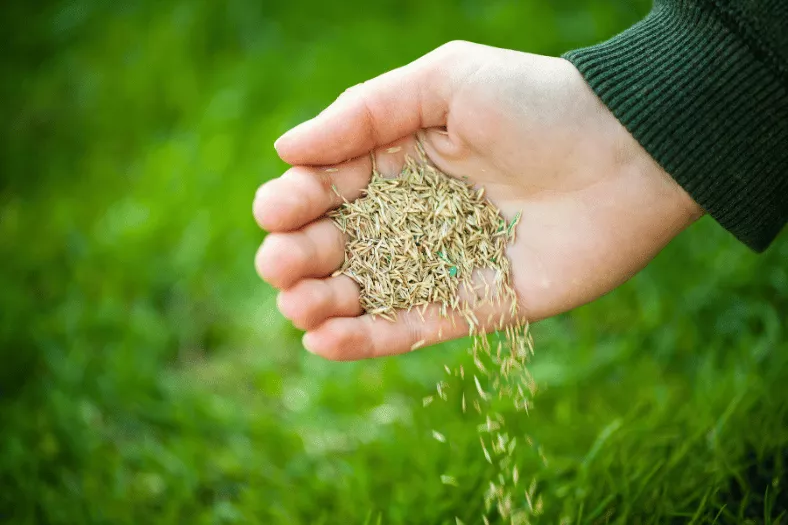
Best Time to Plant Grass Seed in Texas by Season
Timing makes the difference between a lush, healthy lawn and a patchy, struggling yard in Texas. The state’s diverse climate zones and extreme weather patterns demand strategic planning for successful grass establishment.
The best time to plant grass seed in Texas varies by region, grass type, and local weather conditions.
Spring Planting Season in Texas
Spring represents the primary planting window for warm-season grasses across most of Texas. This timing allows grass to establish before summer heat peaks.
Optimal Spring Planting Timeline:
- Late March to Early April – South and Coastal Texas begin planting
- Mid-April to Early May – Central Texas ideal planting window
- Late April to Mid-May – North Texas safe planting period
- May to Early June – Panhandle region final planting opportunity
Soil temperatures reaching 65-70°F consistently signal ready conditions for warm-season grass germination.
Why Spring Planting Works
Spring provides several advantages for grass establishment in Texas. Soil moisture from winter rains supports germination. Moderate temperatures allow steady growth. Long growing season ahead gives grass time to establish strong root systems.
Spring Planting Benefits:
- Natural rainfall reduces irrigation needs and costs
- Moderate temperatures prevent heat stress on new seedlings
- Full growing season ahead for establishment before winter
- Fewer weed competition issues than fall planting
- Warm soil temperatures trigger rapid germination
- Extended daylight hours promote photosynthesis and growth
Spring Planting Challenges
Late spring freezes can damage tender seedlings in North Texas. Unpredictable weather patterns create scheduling difficulties. Spring weeds compete with new grass for resources.
Monitor extended weather forecasts before planting. Delay seeding if late freezes appear likely. Be prepared for additional weed control measures during establishment.
Must Read: Best Grass Seed for Texas Lawns
Fall Planting Considerations
Fall planting works for cool-season grasses in North Texas and some transition zone areas. This timing also suits warm-season grass overseeding in certain situations.
Fall Planting Windows:
- September – North Texas cool-season grass planting begins
- October – Central Texas transition zone planting opportunity
- November – Overseeding existing lawns with ryegrass for winter color
Fall planting requires different strategies than spring establishment.
Cool-Season Grass Fall Advantage
North Texas homeowners planting tall fescue, ryegrass, or Kentucky bluegrass find fall ideal. Cooler temperatures reduce water stress. Grass establishes before winter dormancy then resumes growth in spring.
Fall Cool-Season Benefits:
- Less heat stress on germinating seeds
- Lower water requirements during establishment
- Reduced disease pressure in cooler weather
- Strong root development during fall and early spring
- Grass ready for summer with established root system
Warm-Season Grass Fall Limitations
Warm-season grasses planted in fall face significant risks. Limited growing time before winter dormancy. Cold temperatures can kill new seedlings. Spring establishment almost always proves more successful.
Avoid planting Bermuda, St. Augustine, Zoysia, or Buffalo grass in fall except in far South Texas where mild winters permit year-round growth.
Best Time to Plant Grass Seed in Texas by Grass Type
Different grass species thrive during different seasons.
Warm Season Grasses
Warm season grasses dominate most Texas lawns.
Common Warm Season Types
- Bermuda grass
- Zoysia grass
- St Augustine grass
- Centipede grass
Best Planting Time
Late spring through early summer works best, with fall as a secondary option for select varieties.
Bermuda Grass Planting Schedule
Bermuda grass dominates Texas lawns as the most popular warm-season choice. This aggressive spreader tolerates heat, drought, and heavy traffic.
Best Bermuda Planting Times:
- Ideal Window – Late April through June across most of Texas
- Soil Temperature – 65°F minimum, 70-75°F optimal for germination
- Germination Time – 7-21 days depending on conditions
- Full Establishment – 8-10 weeks with proper care
Plant Bermuda when consistent warm weather arrives. Avoid planting before soil temperatures stabilize above 65°F. Late spring planting gives grass maximum growing season.
St. Augustine Grass Timing
St. Augustine grass establishes from sod or plugs rather than seed. This shade-tolerant grass thrives in humid East and South Texas.
St. Augustine Installation Schedule:
- Spring – March through May across South and East Texas
- Early Summer – June acceptable in coastal areas with irrigation
- Soil Temperature – 60°F minimum for root development
- Establishment Time – 14-21 days for sod, 60-90 days for plugs
St. Augustine needs warm weather and adequate moisture. Spring planting allows establishment before summer stress. Avoid fall planting as grass needs growing season to develop roots.
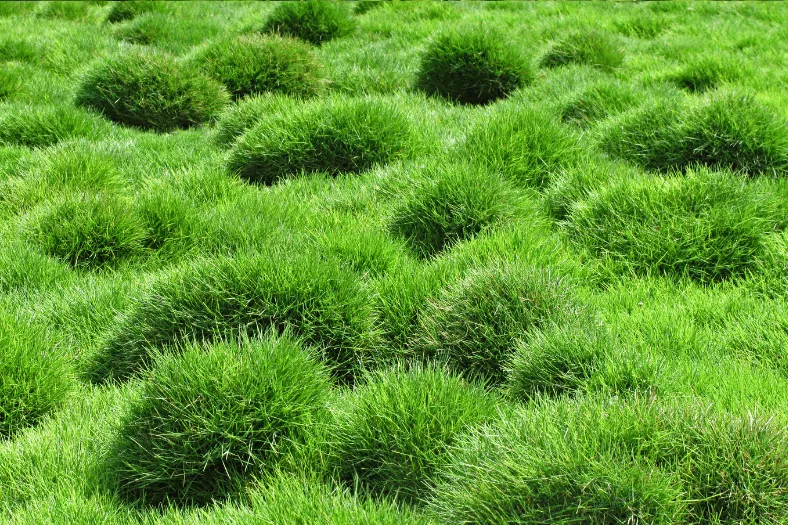
Zoysia Grass Planting Window
Zoysia grass creates dense, attractive lawns handling moderate shade and traffic. This warm-season grass establishes slowly but delivers excellent results.
Zoysia Planting Timeline:
- Late Spring – May through June for seed or sod
- Soil Temperature – 70°F minimum, 80°F optimal
- Germination – 14-21 days for seed establishment
- Full Maturity – 2-3 years for complete lawn coverage
Zoysia’s slow establishment demands patience. Plant during warmest months for best results. Provide consistent moisture during establishment period.
Buffalo Grass Schedule
Buffalo grass offers drought tolerance and low maintenance for Central and West Texas. This native grass requires minimal inputs once established.
Buffalo Grass Planting Guide:
- Spring Planting – April through June statewide
- Soil Temperature – 60-65°F minimum for germination
- Germination Time – 14-30 days depending on conditions
- Establishment – Full growing season needed for maturity
Buffalo grass tolerates heat and drought but establishes slowly. Plant early in growing season for maximum establishment time. Avoid late summer planting.
Cool-Season Grasses for North Texas
Tall fescue, ryegrass, and Kentucky bluegrass suit North Texas where winters provide adequate chilling. These grasses thrive in cooler temperatures.
Cool-Season Planting Schedule:
- Fall Priority – September through October for primary planting
- Spring Backup – February through March as secondary window
- Soil Temperature – 50-65°F for optimal germination
- Establishment – 60-90 days for mature lawn
Fall planting proves superior for cool-season grasses. Spring planting works but grass faces summer heat stress before full establishment.
Regional Grass Planting Guide for Texas
| Texas Region | Best Planting Season | Notes |
|---|---|---|
| North Texas | Fall | Cooler climate supports fall growth |
| Central Texas | Spring and Fall | Avoid peak summer heat |
| East Texas | Fall | Moist soil improves germination |
| South Texas | Early Spring | Longer growing season |
| West Texas | Late Spring | Monitor irrigation closely |
Regional planning improves success and reduces lawn maintenance issues.
Soil Temperature and Grass Seed Success
Soil temperature directly affects seed germination.
Ideal Soil Temperature Range
- Warm season grass: 65 to 75 degrees
- Cool season grass: 50 to 65 degrees
Using a soil thermometer helps determine readiness before planting.
Preparing Your Lawn Before Planting
Preparation improves germination and long term lawn health.
Step by Step Preparation
- Remove weeds and debris
- Loosen topsoil to improve airflow
- Test soil pH
- Add compost if needed
- Level the ground
Proper preparation increases seed to soil contact and moisture retention.
How to Plant Grass Seed Correctly
Planting technique matters as much as timing.
Best Practices
- Spread seed evenly
- Lightly rake soil surface
- Apply starter fertilizer
- Water gently and frequently
- Avoid foot traffic
Consistent care during early growth stages supports healthy turf.
Watering Schedule After Planting
Watering must match seed development stages.
Initial Stage
Light watering two to three times daily keeps soil moist.
Establishment Stage
Gradually reduce frequency while increasing depth.
Mature Stage
Transition to deep watering once or twice weekly.
Overwatering leads to disease and weak roots.
Common Mistakes to Avoid
Many lawn failures result from simple errors.
- Planting at the wrong time
- Skipping soil preparation
- Using incorrect grass type
- Overwatering or underwatering
- Ignoring regional climate
Avoiding these mistakes improves lawn success.
Lawn Maintenance After Germination
Early maintenance sets the foundation for long term health.
Key Maintenance Tips
- Delay mowing until grass reaches proper height
- Use sharp mower blades
- Avoid heavy fertilizer early
- Control weeds carefully
Healthy habits reduce future lawn problems.
Sod vs Grass Seed in Texas
Some homeowners choose sod instead of seed.
Grass Seed Benefits
- Lower cost
- Wider variety options
- Suitable for large areas
Sod Benefits
- Instant coverage
- Better summer performance
- Reduced erosion
Grass seed works best during ideal planting seasons.
Environmental Factors to Consider
Texas lawns face environmental stress.
Important Factors
- Sun exposure
- Soil drainage
- Shade coverage
- Foot traffic
Matching grass type to lawn conditions improves results.
Cost Considerations
Planting grass seed remains affordable.
Average Costs
- Seed: moderate
- Soil amendments: variable
- Water usage: seasonal
Planning ahead helps manage costs effectively.
Long Term Lawn Health in Texas
Timing influences lawn durability over time.
Benefits of Proper Timing
- Deeper root systems
- Reduced water use
- Improved resistance to heat
- Better appearance
A well timed lawn lasts longer and performs better.
Why Fall Is Often the Best Choice
For most homeowners, fall offers ideal conditions.
Fall Advantages
- Reduced weed pressure
- Mild temperatures
- Strong root development
This makes fall the preferred season for many Texas lawns.
Final Tips for Success
- Match grass type to region
- Monitor soil temperature
- Follow watering schedules
- Be patient during early growth
Careful planning leads to strong lawns.
FAQs
What is the best month to plant grass seed in Texas?
For most regions, September through October works best, while spring planting from March to April also produces good results.
Is fall better than spring for planting grass seed in Texas?
Fall offers cooler temperatures, warmer soil, and fewer weeds, helping grass develop stronger roots before summer heat arrives.
Can grass seed be planted during Texas summer?
Summer planting is not recommended due to extreme heat, high water demand, and poor seed survival rates.
Does grass type affect planting time in Texas?
Yes. Warm season grasses prefer late spring or early fall, while cool season grasses perform best when planted in early fall.
How long does grass seed take to grow in Texas?
Most grass seed begins germinating within seven to twenty one days, depending on grass type, temperature, and watering consistency.
Should soil temperature be checked before planting grass seed?
Yes. Soil temperature plays a key role in germination, and planting during the correct temperature range improves success rates.
Conclusion
The best time to plant grass seed in Texas depends on region, grass type, and seasonal conditions. Fall remains the top choice for most areas, while spring works well with proper care. Avoid planting during peak summer heat or cold winter periods. By selecting the right season and preparing the soil properly, Texas homeowners can achieve thick, healthy lawns that withstand the state’s challenging climate.
A well timed planting schedule saves time, money, and effort while delivering long lasting results for Texas lawns.












Leave a Comment