

The best places to live in Austin offer a dynamic mix of culture, outdoor activities, and thriving job opportunities. As the Live Music Capital of the World, Austin continues attracting new residents with its unique blend of Southern charm and modern innovation. With median home prices around $553,000 and average rents at $1,510, choosing the right neighborhood significantly impacts your lifestyle, budget, and daily experience in this rapidly growing Texas capital.
This guide breaks down the best area to live in Austin TX, highlighting safety, housing costs, amenities, schools, and daily convenience. It also helps newcomers choose the best area to stay in Austin TX based on real living conditions, not just popularity.
Also Read: 10 Best Breweries in Austin, Texas
Why Austin Is One of Texas’s Most Desirable Cities
Austin consistently ranks among the fastest-growing cities in the country.
Key reasons people choose Austin:
- Strong tech and startup job market
- Live music and cultural events year-round
- Access to lakes, trails, and parks
- Highly rated food scene
- No state income tax
Each neighborhood offers a different version of the Austin lifestyle.
How to Choose the Best Area to Live in Austin TX
Before selecting a neighborhood, consider these factors:
- Daily commute time
- Housing affordability
- Walkability and transit access
- School quality
- Noise and activity levels
- Proximity to entertainment or green spaces
Austin’s layout makes location a major quality-of-life factor.
Also Read: Does Texas Require a Front License Plate
8 Best Areas to Live in Austin, TX
Finding the best places to live in Austin depends on lifestyle, budget, commute needs, and long-term goals. Austin continues to attract professionals, families, students, and retirees thanks to its job market, music culture, outdoor spaces, and strong community feel. From central urban neighborhoods to quiet suburban pockets, the city offers a wide range of living options.
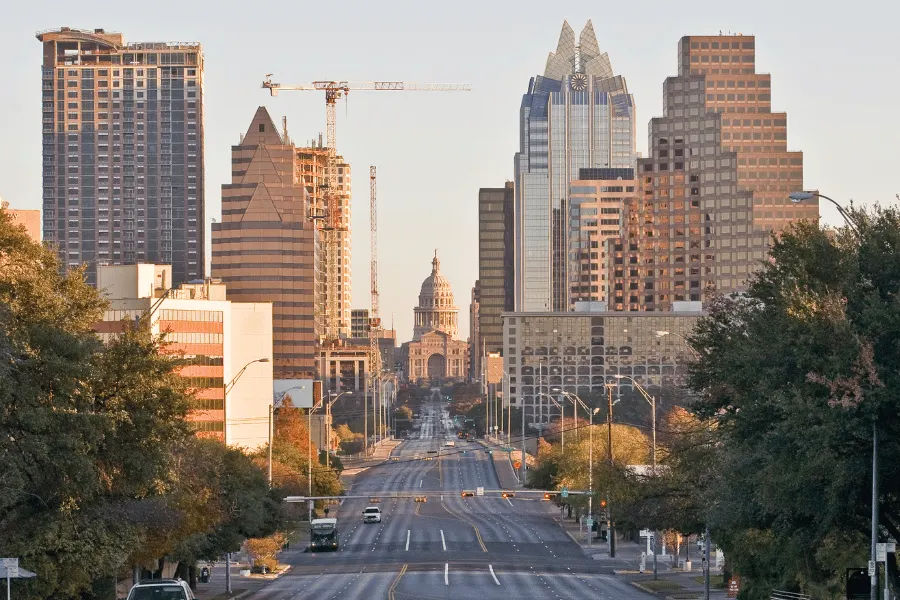
1. Downtown Austin
Downtown Austin pulses at the heart of the city, offering unmatched access to entertainment, dining, and cultural attractions. This is the best area to stay in austin tx for young professionals and nightlife enthusiasts.
Key Features:
- Prime location along Sixth Street entertainment district
- Walking distance to Rainey Street bars and restaurants
- Access to Lady Bird Lake Hike and Bike Trail
- Texas State Capitol and cultural venues nearby
- High-rise apartments and modern condos
Cost Considerations:
Median home sale prices reach $553,275, with average rents around $1,510. Downtown properties command premium prices due to location and amenities. Expect higher costs for convenience and walkability.
Ideal For:
- Young professionals working in tech or hospitality
- Nightlife enthusiasts seeking entertainment access
- Car-free lifestyle advocates
- SXSW and music festival lovers
- Singles and couples without children
Transportation Benefits:
Public transit options include MetroRail and bus routes. Bike share programs and scooters provide additional mobility. Walking covers most daily needs within the neighborhood.
2. Zilker
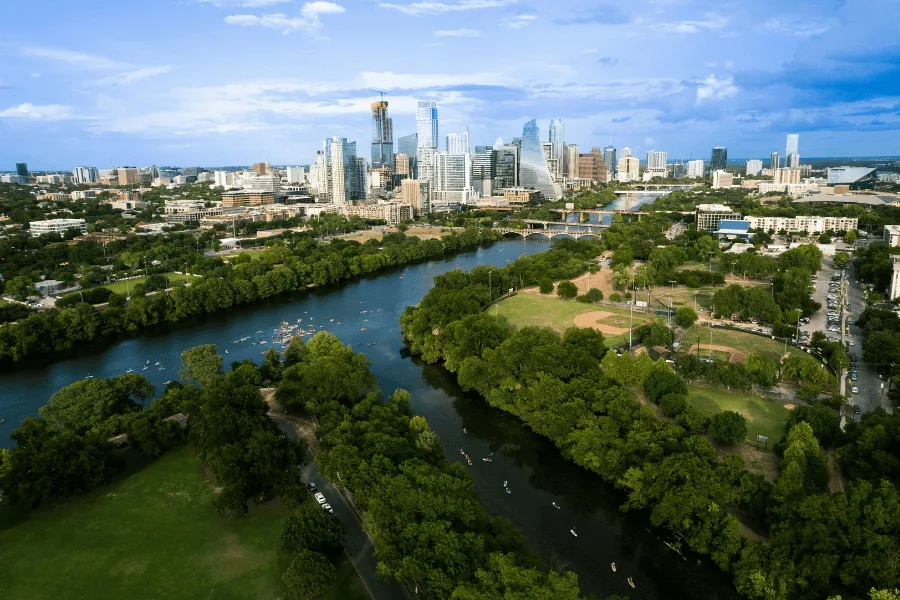
Zilker represents one of the best area to live in austin tx for outdoor enthusiasts. Located just south of Lady Bird Lake, this neighborhood combines natural amenities with urban convenience.
Natural Attractions:
- Zilker Park hosting Austin City Limits Music Festival
- Barton Springs Pool, a natural spring-fed swimming pool
- Zilker Botanical Garden with themed landscapes
- Miles of hiking and biking trails
- Lady Bird Lake water activities
Housing Characteristics:
Single-family homes feature mid-century, contemporary, and bungalow styles along with some apartments and condos. Architecture reflects Austin’s eclectic design sensibility.
Community Atmosphere:
Family-friendly environment with strong neighborhood identity. Regular community events and outdoor gatherings. Mix of long-term residents and newcomers creating welcoming vibe.
School Quality:
Zilker Elementary is well-regarded within Austin ISD. Families prioritize this neighborhood for educational opportunities combined with recreational access.
3. Tarrytown
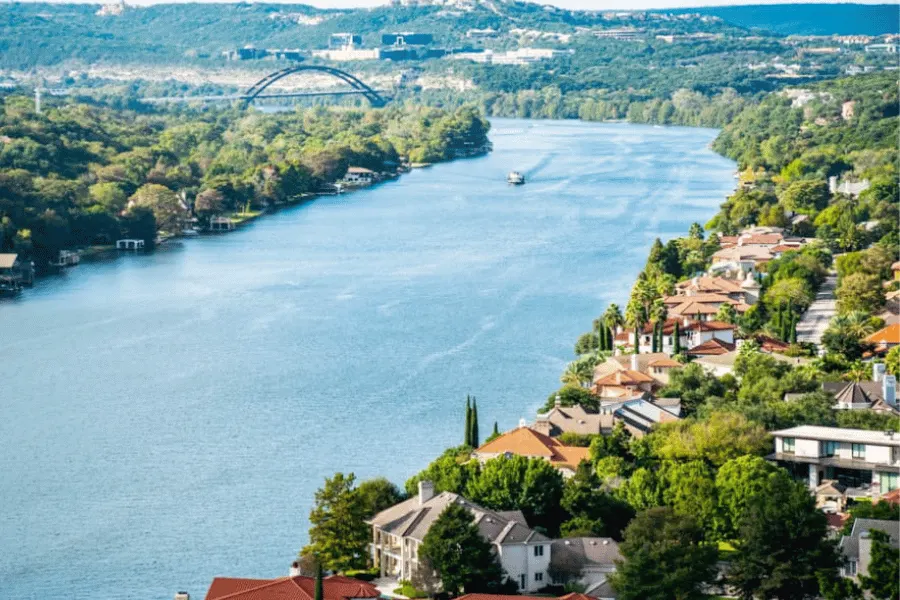
Tarrytown ranks among austin best areas to live for families seeking excellent schools and established community character. This historic neighborhood sits near Lake Austin just minutes from downtown.
Educational Excellence:
Eanes ISD (Tarrytown) is one of the highest-rated in Texas. School quality drives significant family interest in this area. Students benefit from comprehensive programs and strong academic performance.
Neighborhood Character:
Mature trees line quiet, walkable streets. Timeless architecture ranging from 1920s bungalows to mid-century homes. Strong sense of community with active neighborhood association.
Location Advantages:
- 10-20 minutes from downtown
- Access to Lake Austin for water recreation
- Proximity to shopping and dining
- Safe, established residential environment
Investment Perspective:
Home prices in the $600,000-$700,000 range for first-time buyers in comparable areas. Tarrytown commands premium pricing for school district access and location.
4. Barton Hills
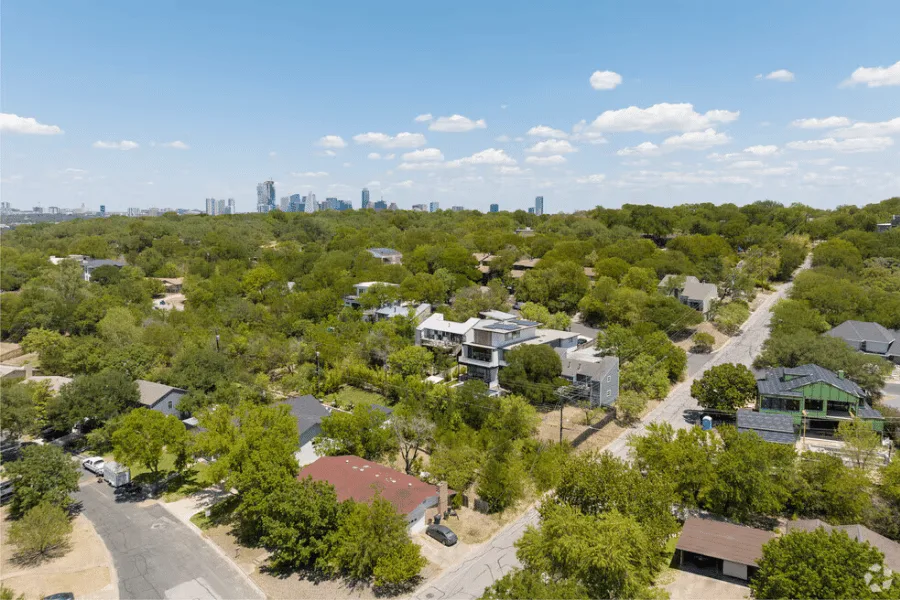
Barton Hills provides upscale residential living with immediate access to Austin’s natural treasures. This neighborhood appeals to affluent families and outdoor enthusiasts.
Premium Features:
Proximity to scenic Barton Creek Greenbelt and Barton Springs Pool blends urban living with natural beauty. Residents enjoy hiking, biking, and swimming within minutes of home.
Real Estate Profile:
Homes sell for around $850,000 reflecting desirable location and amenities. Hillside views and well-preserved mid-century homes characterize the area, featuring mid-century modern designs, contemporary constructions, and traditional Texas ranch-style houses.
Family Appeal:
- Excellent schools in desirable districts
- Safe, quiet streets ideal for children
- Natural playground access
- Strong property values
- Established community
Nature Integration:
Barton Creek Greenbelt serves as neighborhood backyard. Miles of trails for hiking, mountain biking, and rock climbing. Natural swimming holes and scenic overlooks throughout.
5. Hyde Park
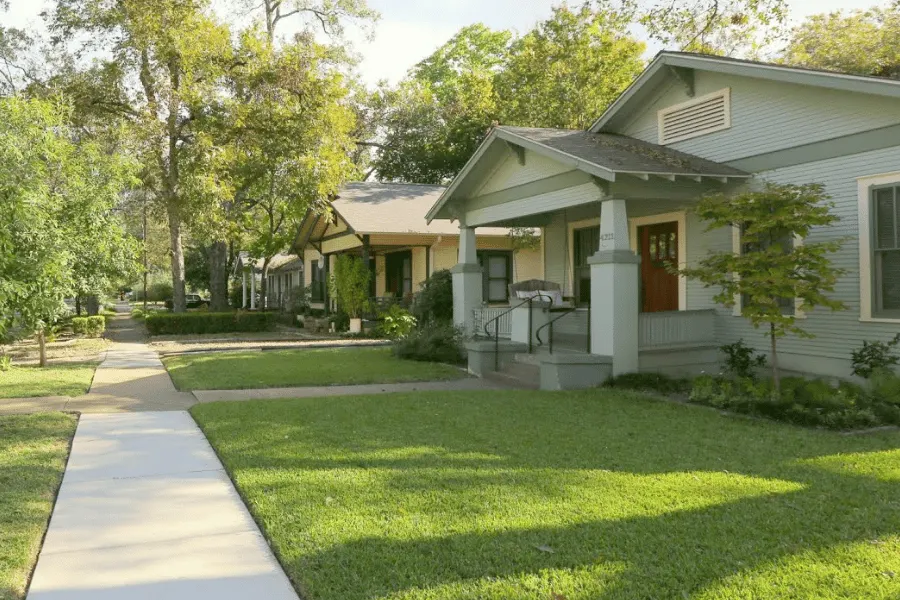
Hyde Park combines Victorian-era charm with contemporary Austin culture. This central neighborhood attracts diverse residents seeking walkable urban lifestyle.
Historic Character:
Tree-lined streets feature bungalows and craftsman homes dating to early 1900s. Preservation efforts maintain architectural integrity while allowing modern updates.
Walkability Score:
Excellent pedestrian infrastructure connects residents to shops, cafes, and services. Shipe Park provides neighborhood green space. University of Texas campus nearby.
Community Culture:
Strong neighborhood identity with active residents. Local businesses thrive including bookstores, coffee shops, and restaurants. Regular community events foster connections.
Resident Profile:
Mix of long-term homeowners, young families, and professionals. UT faculty and staff appreciate proximity to campus. Artists and creatives drawn to historic character.
6. Mueller
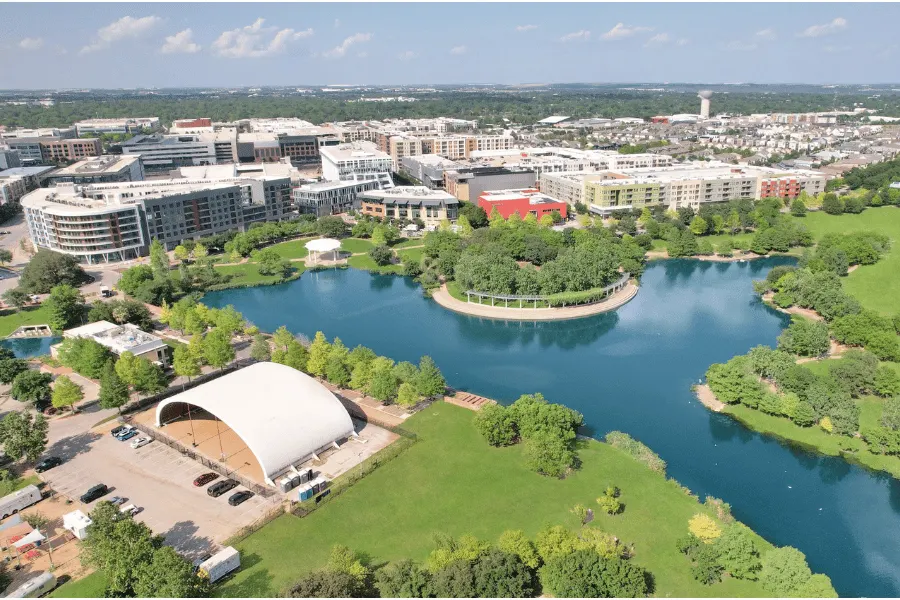
Mueller represents modern urban planning success. This mixed-use development on former airport land creates sustainable, walkable community.
Development Features:
- Planned layout with parks and greenways
- Mixed housing types from apartments to single-family homes
- First-time homebuyers find properties in the $600,000-$700,000 range more manageable
- Retail and dining integrated throughout
- Community pools and recreation centers
Location Benefits:
Near downtown tech hubs making commutes easy. Central location provides quick access to various Austin areas. Airport proximity convenient for frequent travelers.
Family Amenities:
Multiple parks and playgrounds within development. Farmer’s market Sundays. Lake Park with swimming area. Community events year-round.
Sustainability Focus:
Green building standards throughout. Energy-efficient homes. Walkable design reducing car dependence. Native landscaping conserving water.
7. South Congress (SoCo)
South Congress epitomizes Austin’s “Keep Austin Weird” spirit. This vibrant corridor combines quirky shops, restaurants, and entertainment venues.
Cultural Appeal:
Iconic businesses along South Congress Avenue. Vintage stores, boutiques, and food trailers. Live music venues and art galleries. Strong creative community.
Lifestyle Advantages:
Easy downtown access across Congress Avenue Bridge. Views of Texas State Capitol. Lady Bird Lake proximity. Walkable urban environment.
Cost Reality:
Rents are expensive, requiring budget planning for this upscale neighborhood. Premium pricing reflects trendy status and convenience. Younger professionals and creative types dominate demographics.
Entertainment Options:
- Music venues hosting local and touring acts
- Unique dining from food trucks to upscale restaurants
- Shopping ranging from vintage to contemporary
- Regular festivals and events
8. Cedar Park
Cedar Park sits 16 miles north of downtown, offering suburban living with urban access. This rapidly growing community attracts families seeking affordability and quality schools.
Growth Profile:
One of Texas’s fastest-growing communities, Cedar Park is only 16 miles from downtown Austin. Population expansion reflects strong appeal to families and homebuilders.
Economic Diversity:
Software, biotech, advanced manufacturing, and oil exploration sectors maintain presence in Cedar Park. Employment opportunities locally reduce commute needs for some residents.
Safety and Cost:
Low crime rates safer than many Austin areas with cost of living around $3,775. Family-oriented environment with excellent schools. Suburban amenities at reasonable prices.
Recreation Access:
Multiple parks and recreation facilities. Cedar Park Center hosts concerts and sporting events. Lake Travis nearby for water activities.
Best Area to Live in Austin TX
| Neighborhood | Median Home Price | Best For | Key Attraction | Distance to Downtown |
|---|---|---|---|---|
| Downtown | $553,000+ | Young professionals | Entertainment/Nightlife | 0 miles |
| Zilker | $650,000+ | Outdoor enthusiasts | Barton Springs/Parks | 2 miles |
| Tarrytown | $700,000+ | Families | Top schools (Eanes ISD) | 3 miles |
| Barton Hills | $850,000+ | Affluent families | Greenbelt access | 3 miles |
| Hyde Park | $600,000+ | Diverse professionals | Historic walkability | 2 miles |
| Mueller | $650,000+ | First-time buyers | Planned community | 4 miles |
| South Congress | $600,000+ | Creatives | Trendy culture | 1 mile |
| Cedar Park | $400,000+ | Budget-conscious families | Affordability/Schools | 16 miles |
Factors to Consider When Choosing Austin Neighborhoods
Selecting the best area to stay in austin tx requires evaluating multiple factors matching your lifestyle priorities and practical needs.
Commute and Transportation
Work Location Impact:
Downtown employment favors central neighborhoods. Tech sector workers consider proximity to Domain or downtown offices. Remote workers prioritize lifestyle amenities over commute times.
Public Transit Access:
MetroRail Red Line serves limited corridor. Bus routes concentrated in central Austin. Most neighborhoods require personal vehicles for convenience.
Traffic Considerations:
Rush hour congestion affects major corridors. Most neighborhoods are 10-20 minutes from downtown under ideal conditions but double during peak times. Plan commutes realistically.
School District Quality
Top-Rated Districts:
Eanes ISD ranks among highest-rated in Texas. Serves Tarrytown and West Lake Hills areas. Austin ISD offers well-regarded schools like Zilker Elementary and McCallum High.
Family Priorities:
Families often prioritize school quality above other factors. Research specific schools within districts as quality varies. Consider both elementary and secondary education paths.
Cost of Living Variations
Housing Costs:
Prices vary dramatically by neighborhood. First-time homebuyers often find properties in the $600,000-$700,000 range achievable. Budget $5,000-$10,000 for closing costs when purchasing.
Ongoing Expenses:
Property taxes in Austin average 2-2.5% of home value annually. Utility costs vary by home size and efficiency. HOA fees in planned communities add monthly expenses.
Lifestyle Preferences
Matching Personality to Place:
Nightlife fans might suit Zilker or Hyde Park. Family-focused buyers consider Tarrytown with Eanes ISD or Barton Hills near parks. Work-from-home professionals appreciate Mueller’s planned community near downtown tech hubs.
Activity Priorities:
Outdoor enthusiasts gravitate toward neighborhoods with trail access. Music lovers want proximity to venues and festivals. Foodies seek areas with diverse dining options.
East Austin: Artistic Renaissance Neighborhood
East Austin transformed from overlooked area to creative hotspot. This neighborhood attracts artists, young professionals, and those seeking authentic Austin culture.
Creative Energy:
Art galleries, music venues, and studios proliferate. Street art and murals create visual interest. Independent businesses thrive including breweries and coffee shops.
Affordability Appeal:
Relative affordability compared to central Austin neighborhoods. More residents rent than own providing flexibility. Diverse housing options from apartments to renovated bungalows.
Cultural Diversity:
Historic Latino community maintains presence alongside newcomers. Authentic restaurants and cultural institutions. Mix of long-term residents and recent transplants.
Development Trajectory:
Rapid gentrification raising property values and rents. Concerns about displacement of original residents. New construction changing neighborhood character.
Bouldin Creek: Quirky Character South of Downtown
Bouldin Creek embodies Austin’s eclectic spirit. Located across Lady Bird Lake from downtown, this neighborhood offers walkable urban living with distinct personality.
Neighborhood Identity:
Home to iconic “Greetings from Austin” mural. Independent coffee shops and breakfast spots. Vintage clothing stores and record shops. Dog-friendly atmosphere throughout.
Green Spaces:
West Bouldin Creek Greenbelt provides natural escape. Auditorium Shores offers lakeside recreation and dog park. Easy access to South First Street shopping and dining.
Housing Mix:
Older bungalows alongside modern infill developments. Mix of renters and homeowners. Prices increasing but still accessible compared to some central neighborhoods.
Walkability Benefits:
South First Street businesses within walking distance. Lady Bird Lake trail system accessible. Downtown commute possible by bike or foot.
Round Rock: Northern Suburb Alternative
Round Rock sits north of Austin providing suburban alternative with independent identity. This city offers family amenities while maintaining reasonable access to Austin.
Family Appeal:
Excellent schools in Round Rock ISD. Safe neighborhoods with parks and recreation. Dell Diamond baseball stadium providing entertainment. Lower housing costs than Austin proper.
Employment Hub:
Major employers including Dell Technologies headquarters. Growing job market reducing Austin commute needs. Economic diversity beyond Austin dependence.
Suburban Amenities:
Shopping centers and chain restaurants abundant. Community events and festivals throughout year. Sports leagues and recreation programs for all ages.
Austin Access:
30-45 minute commute to downtown Austin without traffic. Highway connections facilitate travel. Maintains separate identity while offering Austin proximity.
Making Your Austin Neighborhood Decision
Choosing among the best places to live in Austin requires visiting neighborhoods, experiencing different areas, and honestly assessing priorities.
Visit Multiple Times
Experience Different Conditions:
Visit neighborhoods during weekday rush hours and weekends. Eat at local restaurants and shop at nearby stores. Walk or bike around getting feel for area.
Talk to Residents:
Chat with locals about their experiences. Ask about neighborhood changes and future development. Get authentic perspective beyond marketing materials.
Consider Long-Term Plans
Life Stage Changes:
Single professionals may prioritize different factors than growing families. Consider how needs might evolve over 5-10 years. Choose neighborhoods accommodating potential changes.
Property Value Trajectory:
Research neighborhood development trends. Consider both appreciation potential and personal enjoyment. Balance investment perspective with lifestyle satisfaction.
Budget Realistically
Total Cost Assessment:
Factor all expenses including mortgage, property taxes, insurance, HOA fees, and utilities. Include commute costs if driving significant distances. Account for lifestyle expenses in different neighborhoods.
Financial Flexibility:
Leave room in budget for unexpected expenses. Consider job security and income stability. Avoid overextending financially for trendy neighborhoods.
FAQs
What is the best area to live in Austin for families?
Mueller, Circle C Ranch, and West Lake Hills are popular with families due to schools, parks, safety, and community amenities.
Which Austin neighborhoods are best for young professionals?
Downtown Austin, South Congress, East Austin, and Zilker attract professionals with walkability, nightlife, and short commutes.
What is the most affordable area to live in Austin?
North Loop, parts of East Austin, and Cedar Park offer more affordable housing compared to central Austin neighborhoods.
What is the best area to stay in Austin for newcomers?
Downtown, Zilker, and South Congress are ideal for newcomers due to location, access to attractions, and transportation convenience.
Which Austin neighborhoods have the best schools?
West Lake Hills, Circle C Ranch, and Mueller are known for strong public school options and family-friendly environments.
Is it better to live downtown Austin or in the suburbs?
Downtown offers convenience and lifestyle access, while suburbs provide more space, quieter neighborhoods, and lower housing costs.
Conclusion
The best places to live in Austin offer something for everyone, from downtown energy to suburban tranquility. The austin best areas to live depend entirely on your priorities, life stage, and budget constraints. Downtown suits young professionals seeking entertainment and walkability. Zilker appeals to outdoor enthusiasts wanting nature access. Tarrytown attracts families prioritizing top-rated schools.
The best area to stay in austin tx balances practical considerations like commute times and costs with lifestyle preferences for activities and atmosphere. Visit neighborhoods multiple times before deciding. Talk with current residents about their experiences. Consider long-term plans and how needs might evolve.
Austin’s continued growth brings changes to all neighborhoods. Austin’s population is still growing – up by about 1.8% in 2024. Act confidently when you find the right fit. Competition for housing remains strong in desirable areas.
Start your search by identifying non-negotiable priorities. Research neighborhoods meeting those criteria. Schedule visits to top contenders. Soon you’ll discover your perfect Austin neighborhood and join the vibrant community calling the Live Music Capital home.












Leave a Comment