
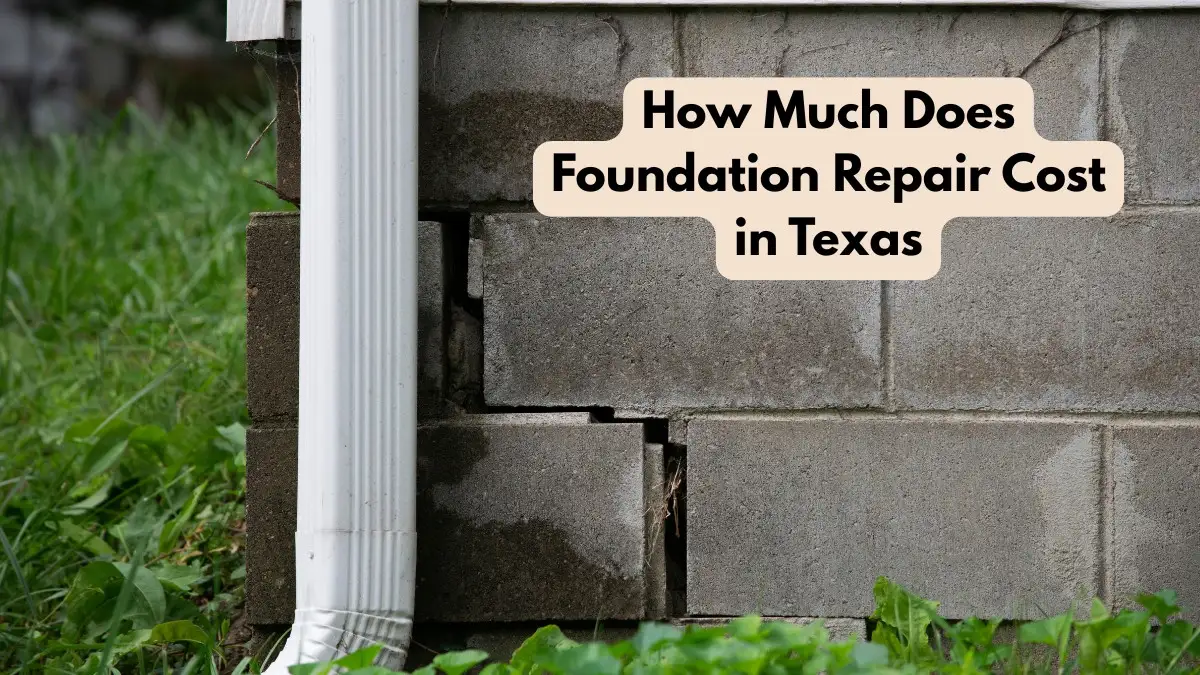
Texas homeowners deal with foundation problems more frequently than homeowners in most other states. The average cost of foundation repair in Texas reflects this reality: it is not a cheap fix, and the range is wide depending on soil conditions, damage severity, home size, and repair method. This article covers what foundation repair actually costs in Texas, what drives price differences, which repair methods work best for Texas soil, and how to evaluate contractor quotes before signing anything.
The average cost of foundation repair in Texas ranges from $2,000 to $7,500 for most homes. Minor crack repairs start at $500. Severe foundation failures involving multiple piers can cost $10,000 to $30,000. Texas clay soil makes foundation problems more common and more expensive than many other states.
Must Read: Shipping a Car from Texas to Michigan: Real Costs, Transit Times & What to Expect
Why Foundation Problems Are So Common in Texas
Texas soil is the root cause of most foundation issues in the state. The expansive clay soil found across much of Texas, particularly in the Dallas-Fort Worth Metroplex, Austin, San Antonio, and Houston areas, absorbs water and swells during wet periods, then shrinks and cracks during dry periods. This constant movement puts enormous stress on concrete slab foundations.
The Texas climate amplifies this problem. Periods of heavy rain followed by extended drought cycles are common. During drought conditions, soil contracts significantly, removing support from beneath the foundation and causing settling, cracking, and structural movement.
According to the Texas Section of the American Society of Civil Engineers, expansive soils affect approximately 25 percent of the United States but cause a disproportionate share of foundation-related property damage. Texas sits squarely in this high-risk zone.
How Much Does Foundation Repair Cost in Texas
The average cost of foundation repair in Texas varies by damage type, repair method, and geographic location. Here is what most Texas homeowners pay across different damage categories:
| Damage Severity | Repair Type | Typical Cost Range |
|---|---|---|
| Minor cracks, surface level | Crack injection, sealing | $500 to $1,500 |
| Moderate settling, 1 to 3 piers | Pressed or drilled piers | $2,000 to $5,000 |
| Significant settling, 4 to 8 piers | Steel or concrete piers | $5,000 to $12,000 |
| Severe failure, 9 or more piers | Full pier system | $12,000 to $30,000+ |
| Drainage correction added | French drains or grading | $1,500 to $6,000 additional |
| Root barrier installation | Barrier trenching | $1,000 to $3,000 additional |
The average cost of foundation repair in Texas for a typical residential job falls between $3,500 and $8,000, based on contractor data from multiple Texas markets. This figure assumes moderate settling requiring four to six piers on a standard slab foundation.
Foundation Repair Methods Used in Texas and What They Cost
The repair method determines a significant portion of the total cost. Texas contractors use several methods depending on soil conditions, depth to stable soil, and the nature of the foundation movement.
Steel Push Piers
Steel push piers are hydraulically driven through unstable soil until they reach bedrock or load-bearing soil. They are considered one of the most reliable methods for Texas clay soil conditions because they reach depths where soil movement does not affect stability.
Cost per pier: $1,000 to $1,500 Typical job with 6 piers: $6,000 to $9,000
Steel push piers work well in areas where stable soil or bedrock is accessible at depth. In Houston and coastal areas where bedrock is very deep, these piers must go deeper, which increases cost.
Concrete Pressed Pilings (Pressed Piers)
Concrete pressed pilings are cylinders of pre-cast concrete pressed into the ground in segments until resistance is met. This is one of the most common methods used in Texas and tends to be less expensive than steel piers.
Cost per pier: $250 to $450 Typical job with 6 piers: $1,500 to $2,700
The limitation of pressed piers is that they rely on friction resistance rather than reaching a stable bearing layer. In expansive clay soil, this can mean the piers move with the soil over time, particularly during extreme drought. Some Texas contractors warranty pressed pier work for shorter periods than steel pier work.
Drilled Concrete Piers (Bell Bottom Piers)
Drilled concrete piers involve drilling a hole to the required depth, creating a belled (widened) base, and pouring concrete to form a pier that is cast in place. The bell shape creates a mechanical anchor in the soil.
Cost per pier: $800 to $1,200 Typical job with 6 piers: $4,800 to $7,200
Bell bottom piers are widely used in Dallas-Fort Worth and Central Texas where the soil profile allows for effective bell construction. They require access for drilling equipment, which can be a consideration for tight or landscaped areas.
Helical Piers
Helical piers are steel shafts with helical plates screwed into the soil mechanically. They are particularly useful for additions, porches, and structures with lighter loads, and in situations where access for hydraulic pressing equipment is limited.
Cost per pier: $1,200 to $1,800 Typical job with 6 piers: $7,200 to $10,800
Helical piers are less common for main residential foundations in Texas but are frequently used for porch foundations, additions, and commercial applications.
Slab Crack Repair and Mudjacking
For minor foundation settling that has not progressed to structural failure, slab crack repair and mudjacking (pumping a slurry beneath the slab to lift it) are lower-cost options.
Crack injection and sealing: $500 to $1,500 Mudjacking (per lift point): $150 to $250 Typical mudjacking job: $800 to $2,500
Mudjacking is appropriate for driveways, sidewalks, and garage slabs with minor settling. It is less commonly used for main home foundations in Texas because the underlying soil problem remains unaddressed, and the fix tends to be temporary in areas with significant clay soil movement.
Polyurethane Foam Lifting
Polyurethane foam injection is a newer alternative to traditional mudjacking. Foam is pumped beneath the slab and expands to fill voids and lift the concrete.
Cost per lift point: $200 to $400 Typical job: $1,000 to $4,000
Foam lifting is faster and lighter than mudjacking but shares the same limitation: it does not address the soil movement that caused the problem.
Average Cost of Foundation Repair in Texas by City
Geographic location affects labor costs, soil depth, and required pier depth, all of which influence the average cost of foundation repair in Texas by market.
| Texas City | Average Repair Cost (Moderate Job) | Notes |
|---|---|---|
| Dallas / Fort Worth | $4,500 to $9,000 | Expansive clay soil, high demand |
| Houston | $5,000 to $12,000 | Deep to stable soil, higher pier costs |
| Austin | $4,000 to $8,500 | Rock layer variability, limestone in some areas |
| San Antonio | $3,500 to $7,500 | Caliche soil layer affects drilling |
| El Paso | $2,500 to $6,000 | Drier climate, different soil profile |
| Lubbock | $2,500 to $5,500 | Less clay movement than East Texas |
| Corpus Christi | $4,000 to $8,000 | Coastal soil conditions |
Houston tends to sit at the higher end of the average cost of foundation repair in Texas because stable bearing soil is very deep in many areas, requiring longer piers and more driving force.
What Factors Drive Foundation Repair Costs in Texas
Number of Piers Required
The number of piers needed is the single largest variable in foundation repair cost. Contractors determine pier quantity based on the length of foundation that has settled and the loads carried by each section. A home with settlement along one corner needs far fewer piers than one with settlement along two full sides.
Depth to Stable Soil
In Houston and coastal Southeast Texas, stable bearing soil can be 30 to 50 feet below grade. In Austin and Central Texas, limestone bedrock may be encountered at 15 to 25 feet. Shallower stable soil means shorter piers and lower cost per pier.
Interior vs. Exterior Piers
Exterior piers are installed from outside the home. Interior piers require cutting through the slab inside the house, removing flooring, and working in confined spaces. Interior pier installation is more disruptive and typically costs 20 to 40 percent more per pier than exterior installation.
Drainage and Soil Management
Foundation repair that does not address the underlying cause will not hold long-term. If poor drainage is directing water toward the foundation, repair contractors may recommend French drains, regrading the yard, or extending downspouts as part of the fix.
Drainage correction adds $1,500 to $6,000 to the overall project depending on the scope.
Root barriers prevent tree roots from drawing moisture from soil near the foundation, creating differential drying that causes settling. Root barrier installation costs $1,000 to $3,000.
Access Limitations
Tight yards, fences, landscaping, and limited access for drilling or pressing equipment add cost. Some contractors charge access fees when equipment must be disassembled or when work requires hand digging in confined areas.
Age and Type of Home
Older homes may have post-tension slab systems that require specialised handling. Post-tension cables run through the slab and can be cut by improper drilling, causing catastrophic slab failure. Repairs to post-tension slabs require contractors with specific experience and typically cost more than standard slab work.
Also Read: Cost of Uncontested Divorce in Texas
Signs Your Texas Home Needs Foundation Repair
Catching foundation problems early reduces the average cost of foundation repair in Texas for your specific home. Watch for:
- Cracks in interior drywall, particularly diagonal cracks at door and window corners
- Doors and windows that stick, drag, or no longer close properly
- Gaps between walls and ceilings or walls and floors
- Visible cracks in the exterior brick mortar or siding
- Sloping or uneven floors detected by rolling a ball or using a level
- Separation of the foundation from the structure visible at the perimeter
- Cracks in the concrete slab visible in the garage or on the exterior
- Chimneys pulling away from the main structure
Minor symptoms addressed early typically cost $1,000 to $3,000 to repair. The same problems left for two to three years can progress to the $10,000 to $20,000 range as settlement accelerates.
How to Get an Accurate Foundation Repair Quote in Texas
The average cost of foundation repair in Texas means little without a site-specific assessment. Here is how to approach the quoting process correctly:
- Get a minimum of three quotes from licensed contractors. Foundation repair pricing varies significantly between contractors. Three quotes give you a baseline for what the market charges for your specific job.
- Verify contractor licensing. Texas does not have a specific foundation repair license, but contractors should carry a general contractor license, liability insurance, and workers’ compensation coverage. Verify insurance certificates before signing.
- Ask for a written scope of work. The quote should specify the number of piers, pier type, depth target, warranty terms, and exactly what work is included. Vague quotes lead to disputes.
- Ask about the warranty explicitly. Pier warranties from reputable Texas contractors typically run 10 years to lifetime on the piers themselves. Ask whether the warranty is transferable if you sell the home, as this affects resale value.
- Ask what happens if more piers are needed after work begins. Some contracts price additional piers at the per-unit rate. Others require a new contract. Clarify this before work starts.
- Ask whether drainage issues need to be addressed. A contractor who installs piers without discussing underlying drainage or soil moisture issues is not giving you a complete picture.
- Check reviews and references. Foundation repair is a significant investment. Look for contractors with verifiable reviews from Texas homeowners specifically, and ask for references from jobs completed two to three years ago to check whether repairs have held.
Does Homeowners Insurance Cover Foundation Repair in Texas
Most standard Texas homeowners insurance policies do not cover foundation repair caused by soil movement, settlement, or expansive clay soil. These are considered maintenance issues rather than sudden, accidental damage.
Exceptions exist for specific covered perils:
- Foundation damage caused by a sudden plumbing leak may be covered under the dwelling coverage if the pipe burst is a covered event.
- Foundation damage caused by a covered event like a vehicle impact or explosion may be covered.
- Some policies include limited foundation coverage as a rider or endorsement. Review your policy declarations page carefully.
Texas homeowners should not assume insurance will pay for foundation repair. Budget for it as a maintenance expense rather than counting on a claim reimbursement.
Frequently Asked Questions
What is the average cost of foundation repair in Texas for a typical home?
The average cost of foundation repair in Texas for a typical single-family home runs $3,500 to $8,000 for moderate settling requiring four to six piers. Minor crack repairs cost $500 to $1,500. Severe foundation failure across multiple sides of a home can reach $15,000 to $30,000 or more.
How long does foundation repair take in Texas?
Most residential foundation repair jobs in Texas take one to three days for exterior pier installation. Jobs requiring interior piers, drainage work, or extensive pier counts take three to five days or longer. Concrete poured in place requires curing time before the structure is fully loaded, adding one to two days.
Is foundation repair worth it in Texas?
Yes, in most cases. Unaddressed foundation failure in Texas homes reduces property value, makes homes difficult to sell, and causes progressive structural damage that becomes more expensive over time. The average cost of foundation repair in Texas is typically recovered in maintained or increased home value, particularly in active real estate markets.
What is the best foundation repair method for Texas clay soil?
Steel push piers and drilled concrete bell bottom piers perform best in Texas expansive clay soil because they reach stable bearing soil below the active zone where clay movement occurs. Pressed concrete pilings are less expensive but may not reach stable soil in all Texas markets, making them a better fit for some regions than others.
How do I know if my foundation is settling or just has cosmetic cracks?
Cosmetic cracks are typically hairline width, horizontal, and do not grow over time. Structural settling produces diagonal cracks at door and window corners, cracks wider than one-quarter inch, doors and windows that stick or fail to latch, and visible floor slope. A foundation evaluation from a licensed contractor or structural engineer distinguishes between the two.
Can I negotiate foundation repair costs in Texas?
Yes. Foundation repair pricing is not fixed. Getting multiple quotes creates negotiating leverage. Contractors may reduce per-pier pricing for larger jobs, offer off-season discounts during slower periods, or adjust scope to meet a budget. Never negotiate by cutting piers from a scope that genuinely requires them, as this produces an inadequate repair.
Conclusion
The average cost of foundation repair in Texas ranges from a few hundred dollars for minor crack sealing to over $20,000 for severe multi-pier jobs. Soil type, pier depth, repair method, and geographic location all affect where your specific project lands within that range. Getting multiple quotes, verifying contractor credentials, and addressing drainage alongside structural repairs gives you the best chance of a repair that holds long-term without spending more than necessary.











Leave a Comment